
Namibia is built for the big screen.
A production gateway for feature films, television, wildlife documentaries, commercials, factual series, photography and remote-location storytelling. Find the landscape, local production pathway and practical support your shoot needs.
WHYNAMIBIA provides location intelligence, production introductions and local guidance. Official filming permissions remain subject to the Namibia Film Commission and other relevant authorities.
WHYNAMIBIA FILMING LOCATIONS
These examples show only part of Namibia’s range. Location choices must be matched with access, ownership, conservation sensitivity, permits, terrain, crew size and production logistics.
Desert Mountains
Stark ridges, dry valleys, volcanic forms and apparently untouched horizons.
Tracks & Ancient Terrain
Remote roads, mineral textures and landscapes suited to expedition, period and science-fiction stories.
Atlantic Coast
Ocean, lagoon, salt, fog and desert-coast contrast within reach of practical service centres.
Caves & Hidden Worlds
Special-access environments for factual, archaeological, adventure and atmospheric productions.
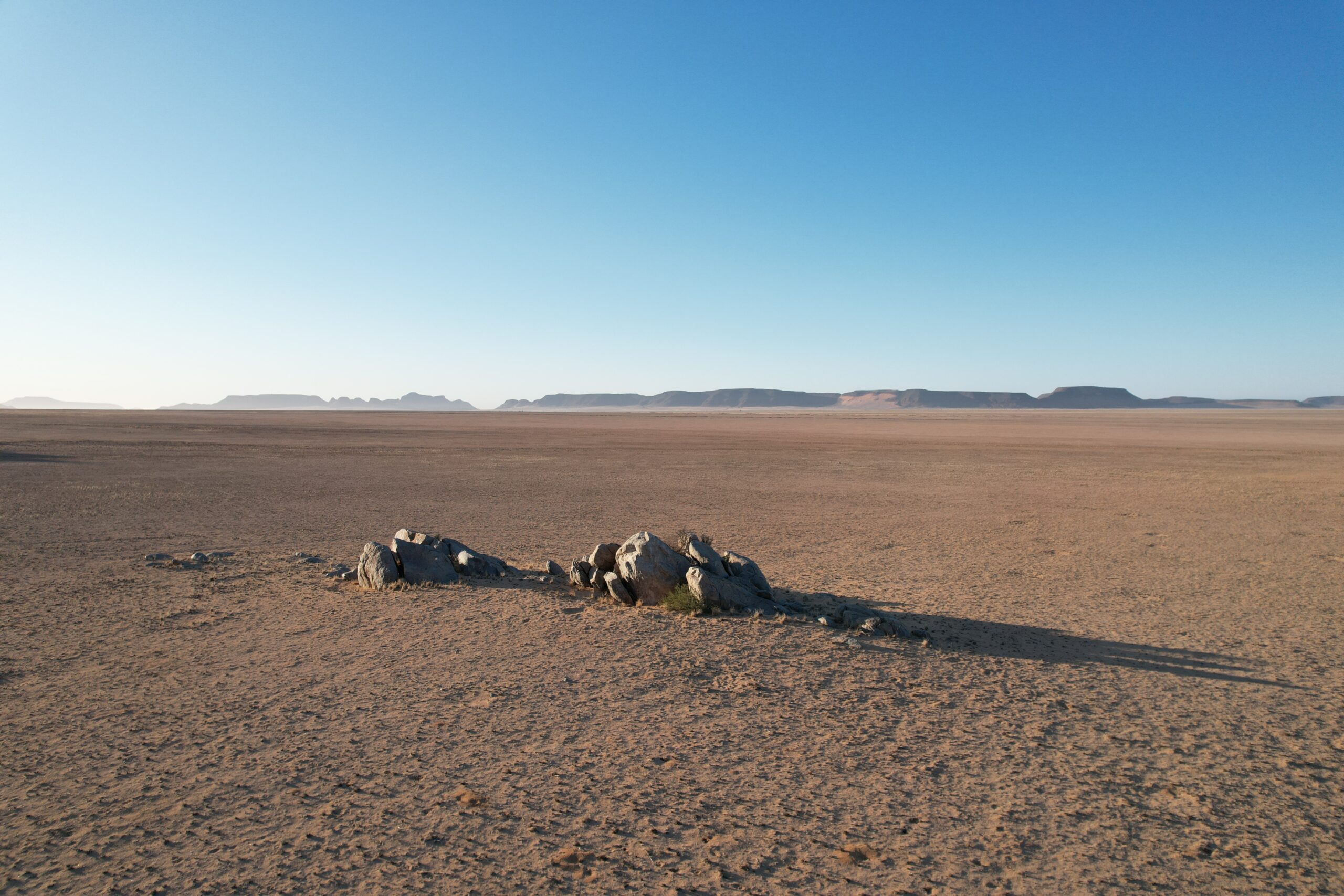
Open Desert Plains
Long sightlines, isolated formations and clean visual space for large-scale compositions.
Namib Dunes
Graphic dune lines, warm colour, shifting shadow and instantly recognisable Namibia imagery.
Granite Landscapes
Rock architecture, sunrise colour and accessible wilderness around iconic inselbergs.
Remote Valleys
Natural corridors for vehicle sequences, expedition stories and remote-location drama.
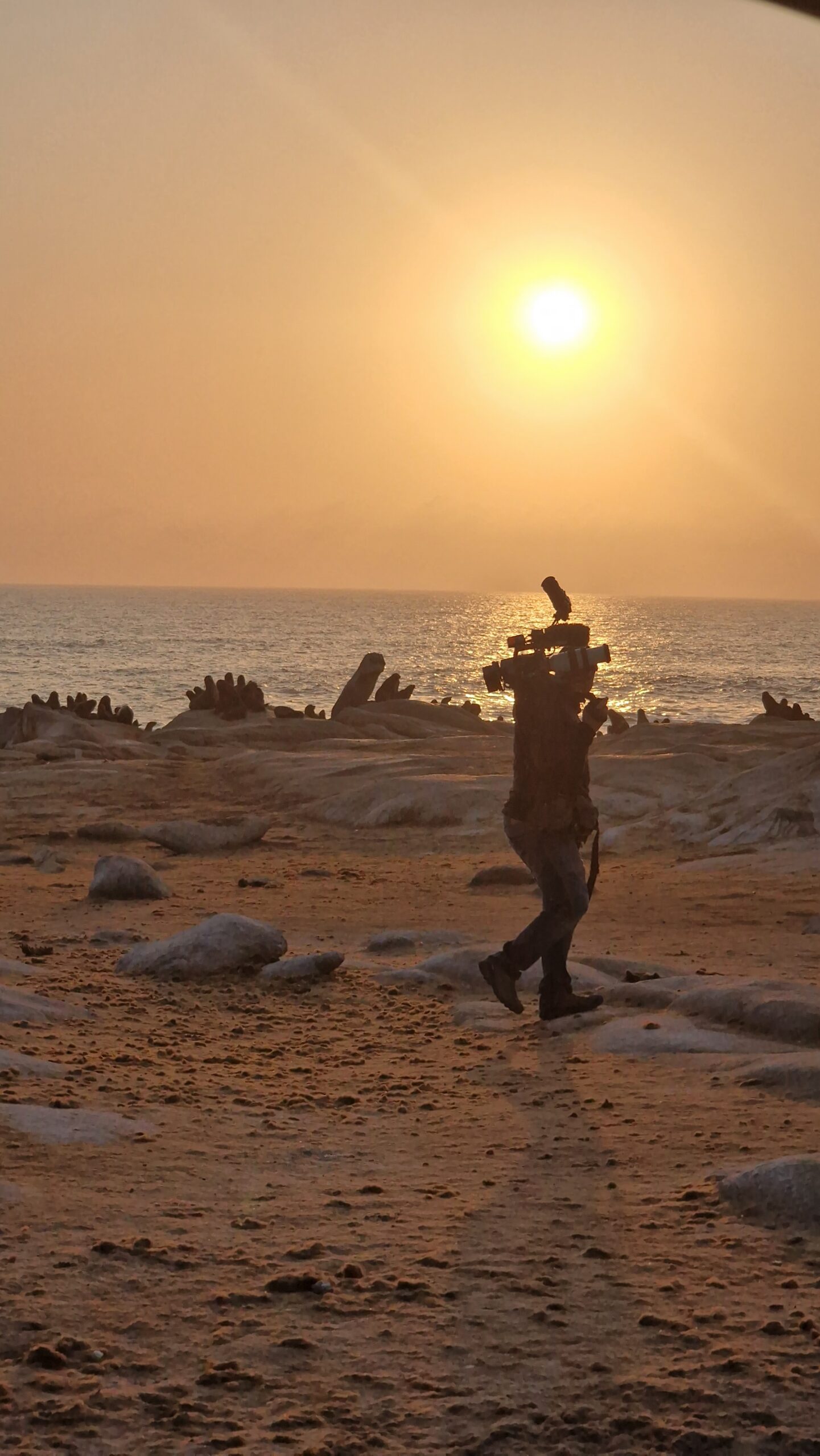
Golden-Hour Namibia
Strong natural light, silhouetted horizons and expansive skies for cinematic day-end sequences.
WHYNAMIBIA Film and Adventure Safaris CC
WHYNAMIBIA FILM AND ADVENTURE SAFARIS CC is a Namibian film facilitation, location scouting, production support and destination media company.
As a gateway to filming in Namibia, we connect international filmmakers, feature film and documentary producers, broadcasters and travel brands with extraordinary locations, wildlife, landscapes, people and stories.
Our services include location research, scouting, local production coordination, fixer services, wildlife filming support and specialist Film Safaris.
Through cinematic documentaries, travel series, conservation films and destination features, we promote Namibia as a world-class location for international film, television and commercial productions.
One country. Many cinematic worlds.
Namibia offers vast desert scale, granite mountains, Atlantic coastline, salt pans, wildlife habitats, open roads, remote communities and striking natural light. A single production can move between ancient-looking, futuristic, African, coastal and wilderness environments without leaving the country.
Namibia does not merely provide a backdrop. It gives a production scale, atmosphere and identity.
Built for international and African productions.
From lean documentary crews to complex commercial and feature-film units, Namibia can support productions that need dramatic locations, authentic access, remote logistics and strong local knowledge.
Feature Films & Movies
Desert worlds, wilderness scale, period environments, action terrain, road sequences and remote dramatic settings.
Television Productions
Drama, reality, travel, factual entertainment, magazine programmes, lifestyle and location-based series.
Wildlife Documentaries
Desert-adapted wildlife, conservation stories, field research, coexistence, national parks and communal landscapes.
Commercials & Branded Films
Automotive, travel, outdoor, fashion, technology and premium-brand productions requiring clean visual scale.
Proven experience. Local knowledge. International connections.
WHYNAMIBIA FILM AND ADVENTURE SAFARIS CC builds on the extensive filmmaking, field production and international television experience of its founder, Jens Schneider.
Working independently and through WHYNAMIBIA, and in cooperation with established Namibia Film Commission partner facilitators, Jens has contributed to the facilitation and field support of international television productions filmed in Namibia.
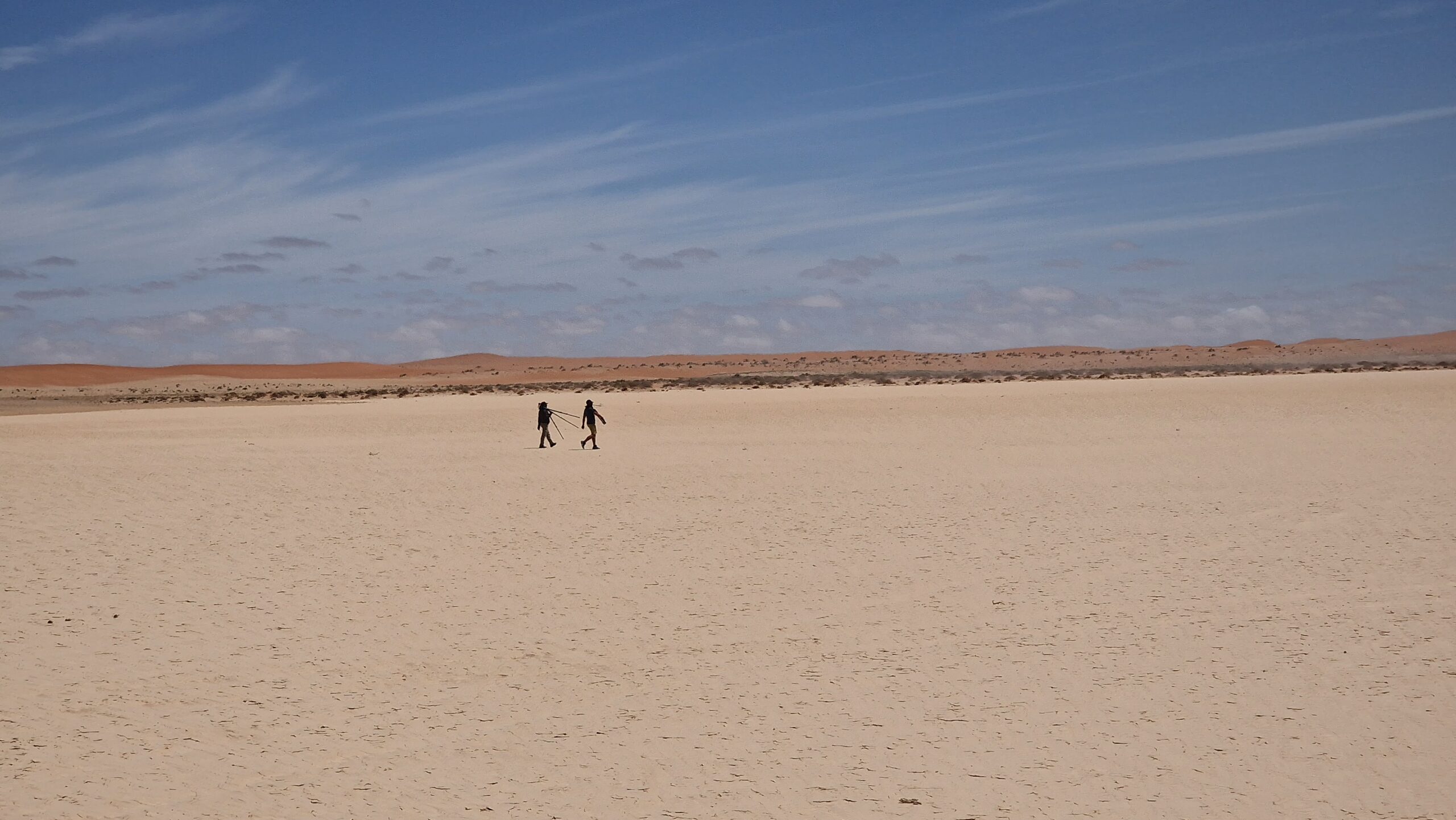
4x4 met André
kykNET / DStv, South Africa
Facilitation and field production assistance across five series of the popular Afrikaans 4x4 adventure and travel programme, showcasing Namibia's landscapes, remote routes and adventure opportunities.
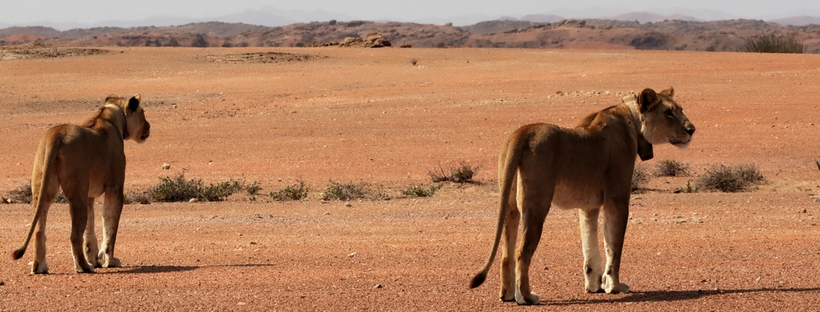
Desert Lion Documentary
Japanese Television
Local assistance with a Japanese television production documenting Namibia's desert-adapted lions, drawing on specialist wildlife knowledge and field experience.
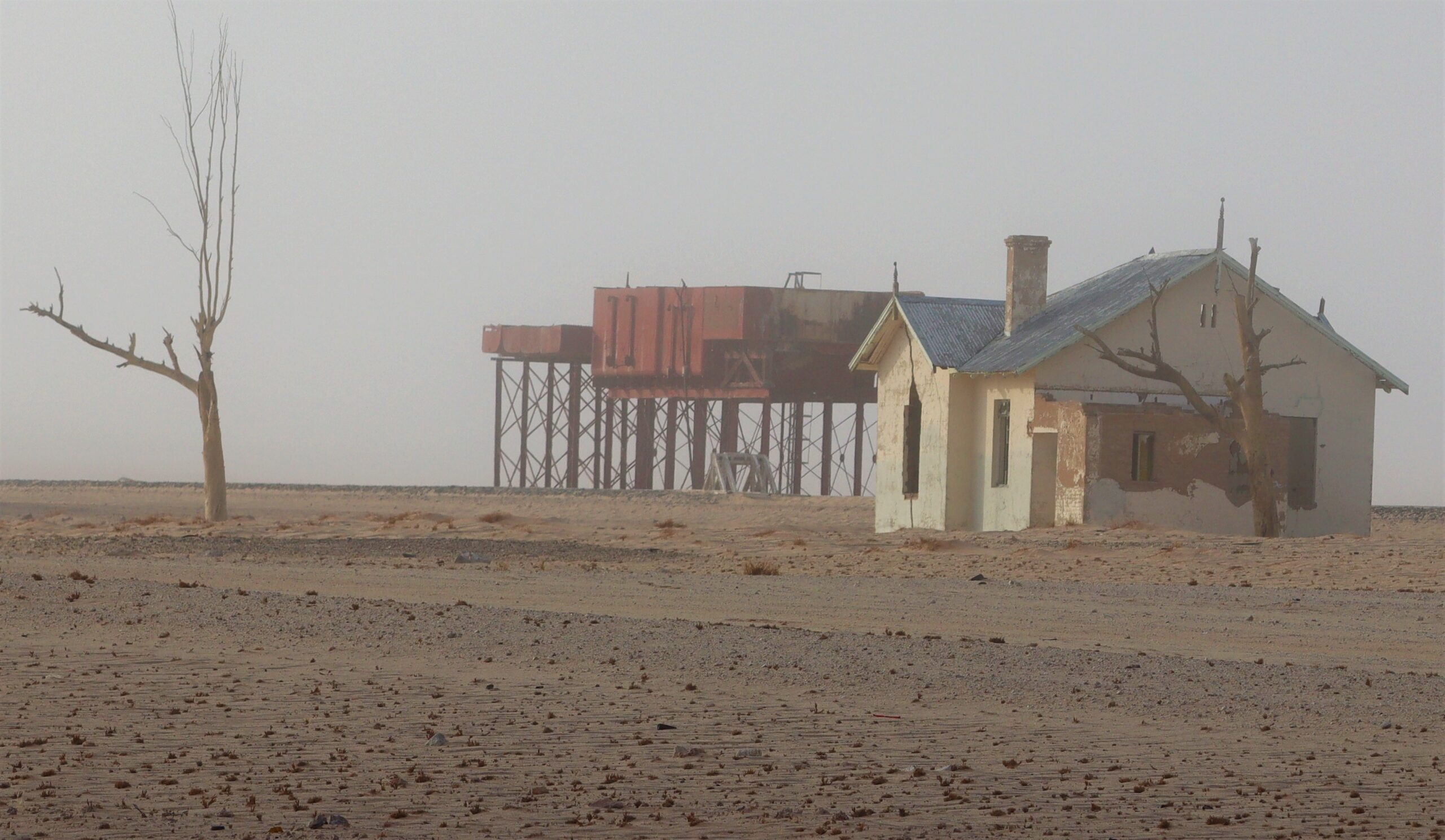
Freek Vonk
Television Production, Netherlands
Production and field assistance for the Dutch wildlife television personality's programme filmed in Namibia, involving natural history and wildlife subjects.
Thalassa
French Television
Local production assistance for the French television series Thalassa, featuring Namibia's landscapes, coastlines and destination stories.
These international collaborations demonstrate practical experience in supporting foreign production teams, working with established local facilitators and helping international broadcasters capture Namibia's distinctive stories and environments.
From the first question to the final field day.
WHYNAMIBIA provides location research, scouting, local production coordination, fixer services, wildlife filming support and specialist Film Safaris, helping international producers plan and deliver their Namibia shoot.
Location Research & Scouting
- Landscape matching and visual references
- Access, distance and terrain assessment
- Season, light and weather considerations
- Location-owner and authority pathways
Local Production Pathway
- Introductions to local production support
- Fixers, field producers and specialist guides
- Local crew and service-provider coordination
- Production planning before arrival
Remote Logistics
- 4x4 vehicles and remote transport
- Accommodation and field-camp planning
- Fuel, food, communications and resupply
- Contingency planning for isolated locations
Wildlife & Conservation Access
- Ethical wildlife-story planning
- Conservation and research introductions
- Community and coexistence contexts
- Specialist local knowledge
Aerial & Technical Planning
- Drone-regulation pathway
- Airspace and location restrictions
- Power, data and remote equipment needs
- Technical questions routed early
Accommodation & Unit Movement
- Lodges, guesthouses and production bases
- Crew movements between regions
- Call-time and travel-distance realism
- Small, medium and specialist field units
Start early. Route every permission correctly.
International productions should not treat Namibia as a permit-free landscape. The required pathway depends on the production, locations, ownership, protected-area status, drone use, communities, wildlife, special effects and other operational details.
Define the Production
Prepare the synopsis, dates, locations, crew, equipment, schedule, budget range and special requirements.
Confirm Local Support
International productions generally need an appropriate Namibian production pathway and local coordination.
Obtain Permissions
Film permits, location agreements and protected-area or specialist permissions must be identified and secured.
Clear Technical Risks
Drones, wildlife proximity, roads, communities, effects, aviation and safety issues should be resolved before filming.
Access is not enough. Context matters.
Wildlife filmmaking in Namibia can involve national parks, private reserves, communal conservancies, research teams, conservation organisations, specialist guides and communities living alongside wildlife. Each story requires a different access, ethics and permission pathway.
WHYNAMIBIA brings documentary experience, local conservation understanding and field-production realism to the first planning conversation.
Questions producers should answer before arrival.
How remote is the location?
Travel time, road type, fuel range, recovery capacity, communications and evacuation planning can change the entire production model.
What vehicle does the unit need?
A standard rental vehicle, 4x4, support truck, rooftop-camping unit or guided field vehicle may each be appropriate in different regions.
Where will crew sleep?
Options range from city hotels and remote lodges to campsites and temporary field arrangements, depending on access and call times.
What power and data are required?
Charging, backup power, data management, connectivity and equipment protection need early planning in remote environments.
What is the best season?
The answer depends on wildlife movement, rainfall, temperatures, road access, light, tourism pressure and the visual story required.
What must be locally sourced?
Local crew, fixers, guides, drivers, vehicles, accommodation, equipment, permits and location relationships should be mapped before travel.
The location is only useful if the production can reach it safely and repeatedly.
Namibia’s scale is one of its strengths, but also its central production reality. We help translate visual ambition into route planning, vehicle requirements, accommodation, access windows and realistic field days.
The questions international producers ask first.
Do I need a film permit in Namibia?
Productions are generally expected to obtain the appropriate film authorisation before filming. Additional approvals may apply to specific locations, protected areas, aviation, communities or wildlife.
Do international productions need a local company?
The Namibia Film Commission states that working with a local production company is part of the permit pathway for international productions. Confirm the correct structure early.
Can I film in national parks?
Potentially, but specific park and protected-area permissions, conditions, fees and conservation rules may apply. Availability and access cannot be assumed.
Can I fly a drone?
Drone operations are regulated. Aviation approval, pilot and equipment compliance, airspace restrictions and location permissions must be confirmed before filming.
Can you help with wildlife documentaries?
Yes. We can help shape the local pathway, identify specialist contexts and connect the production with relevant conservation, research, field and community knowledge.
Can Namibia support a feature-film crew?
Namibia has hosted major international productions, but each project requires a tailored plan for crew, locations, permits, transport, accommodation, equipment and unit movement.
Is Namibia suitable for South African TV productions?
Yes. Namibia offers close regional access, English-language production communication, distinctive locations and practical routes from South Africa, subject to the correct production and permit planning.
How early should we enquire?
As early as possible. Remote locations, protected areas, drone use, community access, wildlife filming and complex logistics require more lead time than a simple urban or private-property shoot.
Can you arrange accommodation and vehicles?
We can help identify and connect suitable providers based on crew size, route, access, vehicle type, comfort level and production requirements.
Can we bring our own equipment?
Equipment import, customs, insurance, transport and specialist operational requirements must be checked for the specific production. Include your complete equipment list in the enquiry.
Can we film communities and cultural subjects?
Only through respectful, informed and properly consented processes. Cultural sensitivity, representation, local relationships and benefit should be considered from the start.
Does WHYNAMIBIA issue permits?
No. WHYNAMIBIA helps producers understand the pathway and connect with appropriate local support. Statutory permissions remain with the relevant authorities.
Tell us what you want to film.
Share the production type, dates, crew size, locations and technical needs. The form prepares a structured WhatsApp or email enquiry so we can identify the next local production step.
Include as much as you know
- Production type and working title
- Producer, company and country
- Planned dates and duration
- Crew size and key equipment
- Locations or visual references
- Wildlife, communities or protected areas
- Drone, vehicles and accommodation
- Budget range and deadline